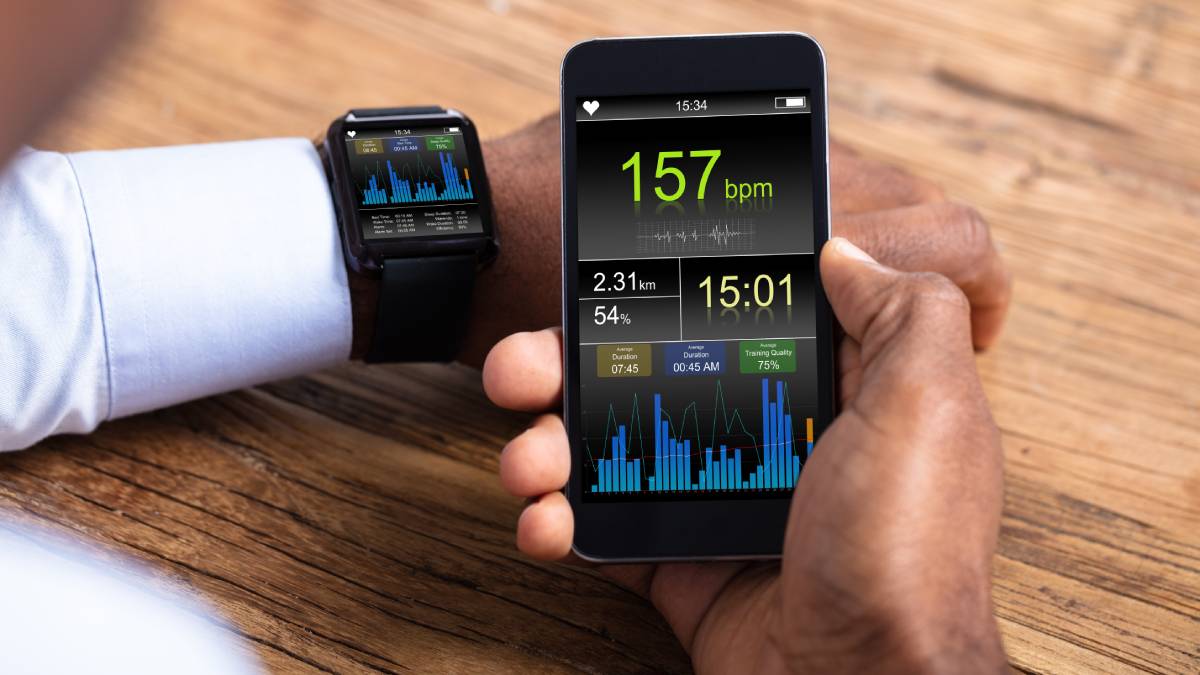
A watch is best when it behaves like an early nudge, not a tiny doctor. The honest answer on health monitoring accuracy is simple: smartwatches can be dependable for resting heart rate trends and some rhythm warnings, but they cannot replace clinical testing, diagnosis, or a properly fitted medical device. That gap matters for U.S. users who now bring Apple Watch, Fitbit, Garmin, and Samsung reports into doctor visits as if the wrist were a second chart. It is useful. It is also easy to overread. Readers who follow consumer health tech through digital wellness updates already know the promise is strong, yet the fine print is where the truth lives. Compared with medical grade devices, a smartwatch usually gives you a trend, a prompt, or a rough signal. A clinic device gives a measurement under tighter rules, with better placement, trained handling, and a clinician who can judge symptoms beside the number. That is the fair deal: use the watch to notice changes, then use care teams and approved equipment when a decision carries risk.
Where Health Monitoring Accuracy Holds Up Better Than People Expect
The wrist has one advantage clinics rarely have: time. A nurse may see your pulse for half a minute during an appointment, while smartwatch sensors can watch patterns across sleep, walks, stress, and quiet evenings on the couch. That does not make the watch superior to medical grade devices. It makes it different. The non-obvious part is that a less exact device can still catch something useful because it is present when the body misbehaves. The watch is not a judge in a white coat. It is a witness that keeps showing up.
Heart Rate Tracking Is the Strongest Everyday Signal
Heart rate is the area where many smartwatch users get the most practical value. Resting pulse, walking pulse, and workout recovery are not diagnoses, but they can show direction. A 42-year-old in Denver may notice that his normal resting heart rate sits near the low 60s, then jumps into the mid-70s for several mornings after poor sleep, heavy alcohol, or an early flu. A doctor may not treat that number alone. Still, the pattern can help the person connect symptoms with behavior.
The better watches tend to perform well when the wrist is still, the band fits snugly, and the sensor window stays flat against the skin. They struggle more when the arm swings, sweat shifts the case, or tattoos, cold skin, and loose bands scatter the light. That is why a watch may look solid during sleep but messy during boxing, tennis, or a bumpy stroller walk.
This is also why gym users sometimes think the watch is “wrong” when it is only working in a hostile setting. Rowing folds the wrist. Weight training tightens forearm muscles. Cycling can leave the wrist bent and cold. A chest strap may beat a watch during hard workouts because it sits closer to the electrical and motion patterns it needs.
The counterintuitive lesson: the best reading is sometimes the one the watch refuses to give. A blank, delayed, or “poor signal” message may be safer than a confident number from a bad sensor position. Confidence on a screen is not the same as truth in the body.
Rhythm Alerts Are Useful When You Treat Them as Clues
Irregular rhythm alerts have changed how some Americans first learn about atrial fibrillation. A watch can notice pulse irregularity during calm periods, then ask the wearer to record a single-lead ECG if the model supports it. That is a meaningful shift for people who feel fine while their heart is out of rhythm.
Still, a watch alert is not a full cardiology workup. A single-lead ECG from a wrist does not see the heart from twelve angles like a clinic ECG. It also may not classify other rhythm problems well. A smartwatch can say, “This looks worth checking.” It cannot say, “You are safe,” or “You need a medication change.”
One real example is the late-night alert. A person in Ohio wakes up to an AFib warning, feels no chest pain, and almost ignores it. The better move is not panic. It is to check pulse, note symptoms, save the strip, and call a clinician or urgent care line if the rhythm is fast, repeated, or paired with dizziness, shortness of breath, weakness, or chest pressure. Wearable health data works best when it starts a better conversation, not when it ends one.
The quiet value is the timestamp. People often forget when a flutter started, how long it lasted, or whether it happened after coffee, exercise, or sleep loss. A saved alert can bring order to a vague story. That matters because vague symptoms are easy to dismiss during a rushed appointment.
Why Wrist Readings Break Down Outside Calm Conditions
Smartwatch makers are fighting physics. Light has to pass through skin, bounce off blood flow, return to a sensor, and survive the noise of movement, temperature, sweat, hair, strap pressure, and human behavior. Medical grade devices can control more of those problems. A clinic pulse oximeter sits on a fingertip. A blood pressure cuff squeezes an artery at the upper arm. A full ECG uses several electrode points across the chest and limbs. The watch gets one small patch of wrist skin and has to make the best of it.
Motion, Fit, Skin, and Light Change the Signal
Photoplethysmography, often called PPG, is the light-based method behind many wrist heart readings. It is clever, but it is not magic. A loose band lets outside light leak in. A cold morning walk in Minneapolis can reduce blood flow near the skin. Dark ink tattoos may block or scatter sensor light. A hard interval session can make arm motion look like pulse noise.
Medical staff know this type of problem even with clinic tools. The FDA says pulse oximeter readings can be affected by factors such as poor circulation, skin pigmentation, skin thickness, skin temperature, tobacco use, and fingernail polish. A watch sits in an even tougher location than a fingertip, so you should treat strange oxygen or pulse readings as prompts to repeat the measurement under calmer conditions.
A simple retest can save stress. Sit down. Warm your hands. Tighten the band by one notch, but do not cut off circulation. Wait a minute. If the number returns to your usual range, the first reading may have been signal noise. If it repeats and you feel unwell, the reading deserves more attention.
Here is the odd truth: smartwatches may be more helpful for noticing your normal range than for judging a single strange number. One low oxygen reading at 2:13 a.m. could be a loose strap. A repeated drop pattern across several nights, paired with loud snoring and morning headaches, is different. That pattern may be worth discussing with a doctor, especially if sleep apnea is already on the table.
Blood Oxygen and Blood Pressure Need Extra Caution
Blood oxygen readings on watches sound clinical because SpO2 is a hospital term. The number feels serious. Yet consumer wrist oxygen checks are often sold for wellness, not emergency decision-making. Even medical pulse oximeters have limits, and the FDA has continued to push for better testing across skin tones. That matters in a country where devices should work fairly across real patients, not only the easiest test subjects. The FDA pulse oximeter basics page is a good place to understand why oxygen numbers need context.
Blood pressure is an even harder wrist problem. Traditional upper-arm cuffs measure pressure by controlled compression. Cuffless watch estimates often infer pressure from pulse wave timing, sensor patterns, or calibration against a cuff. That can be useful for research and trend watching, but it is not the same as replacing a validated home arm cuff for hypertension care.
Think of a parent in Houston tracking blood pressure after a new medication. A watch may show that evening readings trend higher than morning readings. Helpful. But dose decisions should still rest on a validated cuff, proper sitting posture, repeated measurements, and clinician guidance. For a deeper buying framework, see choosing home health tools for daily routines. The low-tech cuff still wins when the number will guide treatment.
There is a social angle here too. Watches make health feel private and instant, while a cuff feels slow and old. The old tool can still be the safer tool. Good medicine does not always look modern.
How to Compare a Watch With Clinic Equipment at Home
A fair comparison is not one watch reading against one clinic reading while you are nervous in an exam room. White-coat stress, caffeine, walking from the parking lot, crossed legs, and poor cuff size can all distort the moment. If you want to know how close your watch is to medical grade devices, you need a small home test that respects timing, position, and repeatability. This is boring work, which is exactly why it helps. Boring removes drama from the data.
Test One Measurement at a Time
Start with heart rate because it is the easiest. Sit still for five minutes. Keep both feet flat. Place the watch where the maker recommends. Then compare the watch pulse against a finger pulse oximeter or a manual pulse count for a full 60 seconds. Do this at rest, after a gentle walk, and during recovery. You are not seeking perfection. You are asking whether the watch follows the same direction and stays within a useful range for your body.
Do not compare every feature in one afternoon. That creates noise. Test heart rate one week, sleep trends another week, and oxygen readings later if your device offers them. For blood pressure, compare only with a validated upper-arm cuff and follow the cuff instructions with care. Sit upright, support your arm, use the right cuff size, and take more than one reading.
The less obvious move is to test when nothing feels wrong. People usually test gadgets after an alert, when anxiety is high. Baseline testing on boring days gives you a clean reference. Then, when a strange alert arrives, you know whether the device usually runs high, low, or close to your home equipment.
Keep the setup the same. Same chair. Same arm position. Same time of day when possible. That may sound fussy, yet it is how you separate a device difference from a life difference. A watch cannot fix sloppy testing.
Build a Personal Baseline Before You Trust Trends
A smartwatch is personal, but its marketing is broad. Your wrist shape, skin, hair, job, workouts, and sleep habits affect the data. A nurse who washes hands all day, a mechanic who works with vibration tools, and a remote worker who types for hours do not give the same signal environment to smartwatch sensors.
Build a simple baseline. Track resting heart rate for two weeks. Note sleep start and wake time. Mark hard workouts, illness, alcohol, travel, and high-stress days. Do not turn the notes into a diary no one can maintain. Five words can be enough: “late flight,” “cold symptoms,” “hard run,” “bad sleep.”
This is where wearable health data becomes less flashy and more useful. A monthly chart can show that your resting pulse rises after work travel, or that your recovery slows when sleep drops below six hours. That is not a medical verdict. It is a behavior mirror. For shoppers comparing features before buying, understanding consumer tech before you buy can help separate useful signals from glossy extras.
The hidden benefit is restraint. Once you know your normal range, you may check less, not more. Better context can lower gadget anxiety because every small rise stops feeling like an emergency.
What Smartwatches Should and Should Not Decide for You
The safest role for a smartwatch is not diagnosis. It is triage for attention. It can help you notice, repeat, record, and ask. That sounds modest, but it is a strong role. Many health problems are missed because people explain away small signs until the signs become harder to ignore. A watch can lower that delay when used with judgment. The danger starts when the watch becomes a courtroom, and every number turns into a guilty or innocent verdict.
Use Alerts to Start Better Questions
When a watch warns you, ask three questions before you react: Do I have symptoms? Has this happened before? Does a second measurement agree? A single high heart rate after stairs is not the same as a fast resting pulse with dizziness. A low oxygen reading after a loose strap is not the same as repeated low readings with blue lips or shortness of breath.
Medical grade devices are still the standard when symptoms are serious. Call emergency services for chest pain, fainting, severe shortness of breath, stroke signs, or a fast irregular heartbeat with weakness. No app badge should slow that decision. The watch can ride along, but it should not drive.
A non-obvious benefit of alerts is emotional, not technical. They give people permission to seek care sooner. A person in Phoenix may feel silly calling a clinic about fluttering in the chest. A saved rhythm strip can make the call easier. Even if the alert is false, the discussion may uncover caffeine overload, medication effects, dehydration, thyroid symptoms, or anxiety that needs care of its own.
There is also a risk in the other direction. A normal watch reading can make someone ignore symptoms. That is backward. Symptoms outrank gadgets. If your body feels wrong, a calm screen should not talk you out of getting help.
Share Data in a Way Clinicians Can Use
Doctors do not need a thousand screenshots. They need a clean story. Bring the date, time, symptom, watch reading, and what you were doing. If you have an ECG PDF, export it. If your resting heart rate has shifted for weeks, show the trend rather than every daily dot.
Say, “My normal resting rate is around 62 to 66. Since March 4, it has been 76 to 82 most mornings, and I feel more winded on stairs.” That is useful. It gives a clinician context, duration, and a symptom link. It is much better than saying, “My watch says my heart is weird.”
The same rule works for sleep and oxygen. Bring patterns, not fear. Bring symptoms, not only scores. Medical grade devices, lab tests, exam findings, and your lived report all belong in the same room. A smartwatch adds one voice to that room. It should not become the loudest one.
Good sharing also respects time. A primary care visit may be fifteen minutes. A cardiology appointment may be packed. The cleaner your summary, the more likely the data helps instead of becoming a distraction.
Conclusion
A smartwatch can be a smart health companion when you treat it as a pattern finder, not a verdict machine. Its best work happens in quiet moments: resting heart rate, recovery, rhythm prompts, and long-term wearable health data that helps you spot change before a yearly checkup. The hard line is medical action. Health monitoring accuracy still depends on sensor fit, skin contact, motion, temperature, device limits, and the type of measurement being taken. Use the watch to notice what deserves attention, then use medical grade devices and professional care when the answer matters. That balance protects you from both extremes: ignoring useful warnings and trusting a wrist reading too much. It also keeps the watch in its right place: close enough to help, humble enough to question. Treat clean trends as useful notes, not final answers. Treat symptoms as the stronger signal when the two disagree. The screen can start the story. Your clinician, symptoms, and proper testing should finish it.
Frequently Asked Questions
Are smartwatches as accurate as medical devices for heart rate?
They can be close during rest and light activity, especially when the band fits well. Accuracy often drops during fast movement, cold weather, loose wear, or workouts with wrist impact. Use the watch for trends, then confirm odd readings with a clinical tool when symptoms appear.
Can a smartwatch detect atrial fibrillation reliably?
It can flag possible atrial fibrillation, and some ECG apps can record a single-lead strip. That is useful, but it is not the same as a full medical diagnosis. Repeated alerts, symptoms, or a fast irregular pulse should be discussed with a qualified clinician.
Should I trust smartwatch blood oxygen readings?
Treat them as rough wellness clues unless your doctor tells you otherwise. A loose strap, cold skin, poor circulation, skin factors, and motion can affect readings. Repeated low values with shortness of breath, chest pain, confusion, or blue lips need urgent medical attention.
Is smartwatch blood pressure accurate enough for hypertension?
Most people should not replace a validated upper-arm cuff with a watch. Blood pressure decisions need proper technique, repeated readings, and clinician review. A watch may help show trends, but medication changes should be based on approved measurement methods.
Why does my smartwatch give different readings than my doctor’s office?
Timing, stress, posture, movement, strap fit, and device placement can all change the result. Doctor’s office readings may also rise from appointment nerves. Compare devices at home under calm conditions before deciding that either number is wrong.
How can I make smartwatch health readings more accurate?
Wear the band snugly above the wrist bone, keep the sensor clean, sit still during spot checks, and repeat strange readings. Avoid judging one number after exercise, alcohol, poor sleep, or stress. Patterns over time are more useful than isolated spikes.
What smartwatch health data should I show my doctor?
Bring clear patterns: dates, symptoms, repeated alerts, resting heart rate changes, ECG exports, and what you were doing when the reading happened. A short summary beats dozens of screenshots. The goal is to help the clinician connect numbers with real symptoms.
Can smartwatches prevent serious health problems?
They can encourage earlier attention, which may help some people seek care sooner. They cannot guarantee prevention, rule out danger, or replace exams and tests. The best use is simple: notice changes, confirm them wisely, and act fast when symptoms are serious.